
.svg)



As volume increases, small cracks turn into real problems. Missed picks multiply. Inventory drifts. Systems slow down. Teams work harder, but results get worse. What once ran smoothly now feels fragile. This is the moment many operations leaders fear most. One bad week can ripple into late shipments, angry customers, and lost revenue.
This is the hard truth most teams learn too late. Scaling operations does not reduce chaos. It amplifies it. Warehouse growth exposes every weak process, every manual workaround, and every system gap you have been living with. With the right structure, tools, and visibility, growth can stay controlled.
In this guide, we will break down how to create scalable options that grow without breaking. And how to stress test your stack before volume does it for you.
What Drives Warehouse Growth
Several forces push warehouses to grow fast. E-commerce keeps climbing, so order sizes shrink while frequency rises. New products hit the shelf regularly. Sales volumes spike after a good campaign or market push. Urban areas need faster last-mile delivery. Outsourced logistics (3PL) grows because companies want flexibility without owning every brick.
These drivers sound positive on paper. In practice, they arrive together. One quarter, you handle 500 orders a day. The next, 1,200. Space fills up. Pick paths get longer. Your current systems are slowing down. Throughput drops. Suddenly, you face insufficient storage capacity, obsolete equipment, and a workforce stretched thin.
More volume equals more failure points. A single delayed inbound shipment cascades into stockouts. Picking errors multiply. Customers wait longer. Your reputation takes the hit.
The Common Pitfalls When Scaling Operations
Scaling exposes gaps you could ignore at lower volumes. Labor shortages hit harder when every shift needs more hands. Inventory accuracy slips because manual checks cannot keep pace. Supply chain visibility fades as more partners join the flow.
Many wholesalers run into the same walls:
- Picking and packing take longer because layouts no longer match real demand.
- Equipment breaks under heavier use.
- Data lives in spreadsheets that no one trusts.
- Compliance rules for cold storage or hazardous goods get overlooked in the rush.
Without a clear view of current capabilities, these small cracks become full collapses. Production capacity analysis shows you are at 85% utilization one month and 120% the next, with no buffer. Resource utilization assessment reveals idle time in one zone and chaos in another.
Four Questions You Must Ask Before Any Expansion Move
Before signing leases or buying racks, pause and answer these honestly:
- What is the real motivation? Is it true growth or just a reaction to temporary spikes?
- What products will you carry in the next 12-18 months? Bulky items or high-velocity SKUs change layout needs.
- Who is your audience now and in the future? Retail vs. direct-to-consumer shifts slotting and packing requirements.
- What labor realities do you face? Local hiring pools, training time, and turnover rates matter more than headcount on paper.
Answering these prevents expensive mistakes. Many warehouses expand only to find the new space sits half-empty because the product mix changed.
Warehouse Expansion: Pros and Cons
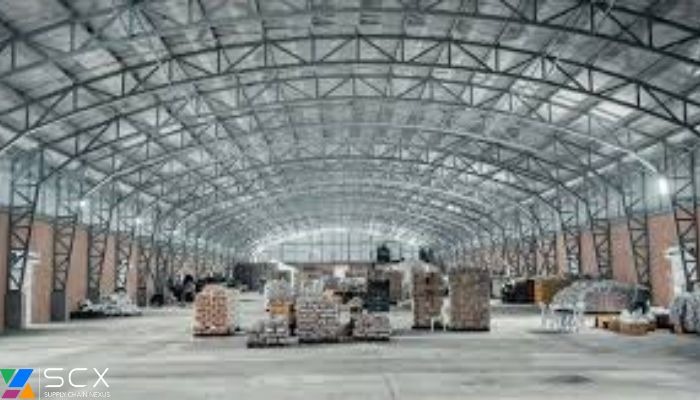
Like most decisions in e-commerce, expanding a warehouse comes with clear benefits and real trade-offs. Before committing, it helps to understand both sides.
Pros of warehouse expansion
- Creates an edge by supporting growing omnichannel operations
- Improves team output by giving staff more room and better workflows
- Opens the door to fix broken processes and remove bottlenecks
- Helps bring operations closer to best-practice standards
- Provides an opportunity to rebuild or upgrade your technology stack
- Increases capacity to handle higher-order volumes and demand spikes
Cons of warehouse expansion
- Requires a significant upfront financial investment
- Raises ongoing expenses such as labor, utilities, and maintenance
- New facilities take time to plan, build, and fully ramp up
- Choosing the wrong location can hurt speed, costs, and service levels
Optimize Storage First for Scalable Operations
Before you expand walls, optimize inside them. Adjusting racking layouts, adding mezzanines, using high-density equipment, and improving slotting can double or triple usable space without moving. Workflow changes – better zoning, automated guided vehicles, or simple process tweaks – lift productivity fast.
Inventory management software that updates in real time prevents overstock or stockouts. Automating repetitive tasks frees people for higher-value work. These steps cost less, finish quicker, and deliver immediate gains. They also create adaptable spaces that flex with demand instead of locking you into fixed increments.
When full expansion still makes sense, you enter it from a stronger position – with clean data, efficient processes, and proven metrics.
Assess Where You Stand Today
Start with an honest look at current operations. Map production capacity against peak demand. Track resource use across shifts and zones. Identify bottlenecks in receiving, storage, picking, and shipping.
Look at your tech stack. Does your warehouse management system give instant visibility? Can it handle higher-order volumes without crashing? Are mobile tools helping workers or slowing them down?
This assessment reveals whether you need more space or simply better use of space. It also highlights quick wins – like re-slotting top movers closer to packing stations.
Build a Practical Plan for Scalable Warehouse Growth
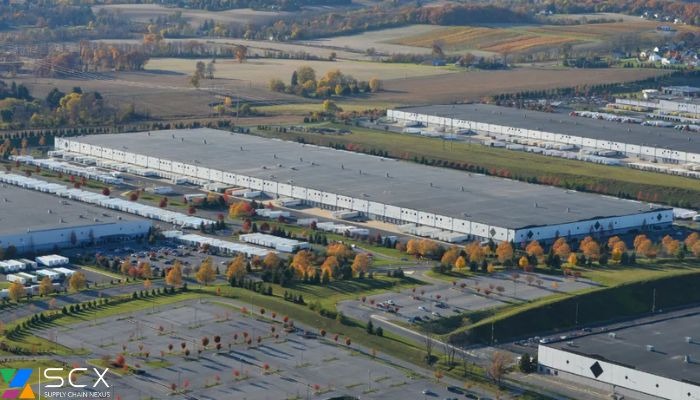
Set clear objectives, target order accuracy above 99%, cut cycle time by 20%, and maintain labor costs per order. Create a growth roadmap with milestones at 6, 12, and 24 months.
Integrate modern tools that scale with you. Cloud-based systems update automatically. Automation handles repetitive lifts. Real-time dashboards flag issues before they grow.
Focus on supply chain management that connects suppliers, your warehouse, and customers. Keep quality control tight – scale should not mean more defects. Invest in workforce development so people grow skills as volume grows.
Track key metrics weekly: pick rate, order fulfillment time, inventory accuracy, and cost per order. Stay agile. Review the plan every quarter and adjust.
Create Operations That Scale Without the Fear
Warehouse growth does not have to mean chaos. When you address the root issues – visibility, process gaps, outdated tools – more volume becomes manageable. Scalable operations turn pressure into predictable performance.
At Supply Chain Nexus, our platform gives wholesalers the connected view and automation tools needed to stress-test your stack today. You see bottlenecks before they break you. You simulate growth scenarios. You optimize space and labor without guessing.
Want us to walk your numbers and recommend fixes? Book a free Operations Value Audit today. Let’s map your current setup, spot the hidden risks, and build a scalable plan that supports your next growth phase without the collapse.