
.svg)



Running a warehouse with too few staff can quickly turn into a daily struggle. Orders get delayed, inventory mistakes happen, and every small problem feels like it could break the whole system.
When your team is stretched thin, stress builds fast, and employees start working longer hours just to keep things moving. Burnout sets in, and mistakes multiply, making it harder to stay on top of operations.
The pressure does not have to be this way. Lean operations can help you run a smooth and reliable warehouse even when staff are limited. By creating clear processes and using smart systems, you can reduce errors, balance workloads, and make your operations stronger.
It is possible to keep things under control and prevent burnout while still growing your business.
Understanding Lean Operations
Lean operations are often misunderstood. Many people think lean means cutting staff or rushing everyone to work faster. In reality, lean is about running your warehouse smarter, not harder. It focuses on removing unnecessary steps, organizing tasks clearly, and making sure every process adds real value.
For warehouses, this means designing workflows that keep things moving even when your team is small. It is about creating smooth flows for receiving, storing, and shipping products while reducing mistakes.
Lean operations help your team work more efficiently without overloading anyone. The goal is not to push people to the limit but to build systems that keep the warehouse running reliably, no matter the challenges.
Which Industries Can Benefit from Lean Operations Management?

The core idea of lean operations remains the same across industries. It focuses on delivering real value while eliminating waste. However, each business adapts lean principles to fit its own challenges and goals.
Almost any company can benefit from faster lead times and smoother processes. Any business that produces goods, distributes products, or provides services to customers can see real improvements. Some industries benefit especially well.
Retail:
Retail depends on inventory levels and sales numbers. At Wireless Vision, which operates over 650 T-Mobile stores, employees use a mobile platform to access files, procedures, and updates in one place.
This allows their 4,000 team members to share information quickly. Fast confirmation campaigns help sales associates on the floor get updates in seconds, improving customer service and increasing sales.
Manufacturing:
Lean operations began in manufacturing, particularly in the auto industry, to make production faster and less expensive. As technology advances, manufacturers use lean to shorten lead times, reduce costs, and cut waste. Training programs help workers develop the skills needed for lean environments. Lean can reduce waste by up to 35%.
Hospitality:
Hospitality businesses face growing competition from the sharing economy. A lean approach helps strengthen brand reputation, reduce employee turnover, and improve customer service.
At Hotels, a luxury chain, a mobile tool enabled real-time communication across shifts, enhanced guest experiences, and streamlined tasks like onboarding, saving time and improving efficiency.
The Hidden Cost of Understaffing
When a warehouse is understaffed, the problems are more than just missing hands. Over time becomes common, mistakes increase, and orders can be delayed. Supervisors end up juggling too many responsibilities, leaving no time for planning or fixing errors. This extra pressure leads to stress and burnout for everyone on the team.
Understaffing also creates a domino effect. One mistake can slow down multiple processes, which affects deliveries, customer satisfaction, and even profits. What seems like a small shortage of staff can quickly become a big problem. Understanding these hidden costs is the first step toward creating a stronger, more resilient operation.
Why People-Dependent Operations Are Fragile
Relying too much on individual team members makes a warehouse fragile. When key employees are absent or overloaded, processes slow down, mistakes happen, and orders can be missed.
Even small disruptions can cause big delays because everything depends on certain people being in the right place at the right time.
A people-dependent operation also increases stress on the team. Employees feel pressure to perform perfectly, and supervisors end up micromanaging just to keep things moving.
This setup is not only risky for operations but also for employee morale. To protect your warehouse from unexpected problems, you need systems that do not collapse when someone is unavailable.
Building Resilient Lean Systems
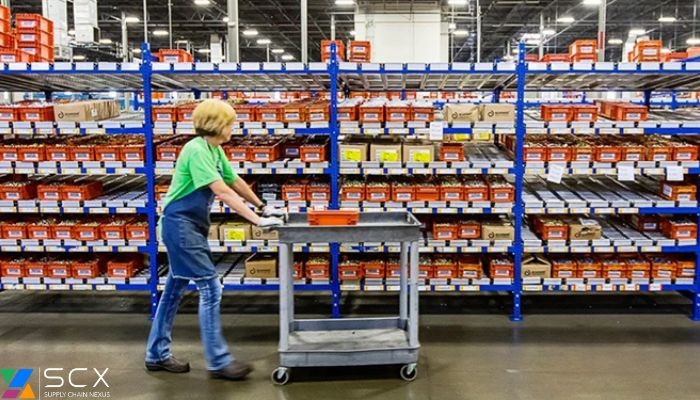
Creating resilient operations means designing processes that can run smoothly without relying on any single person. Standardizing tasks, cross-training staff, and introducing simple workflows help your team handle unexpected challenges.
Tools like real-time inventory tracking, visual task boards, and predictive scheduling make it easier to plan workloads and spot bottlenecks before they become issues.
With these systems, even a smaller team can manage the same volume of work with fewer mistakes. Resilient lean systems ensure that operations continue reliably, protecting your staff from burnout and keeping your warehouse productive.
How Technology Supports Lean and Reduces Burnout
Technology can take much of the pressure off your team. Warehouse management systems provide real-time visibility into stock levels, orders, and workflows. They make it easy to see where work is piling up and balance tasks across the team.
Software tools also help identify inefficiencies that may not be obvious in daily operations. By automating repetitive tasks and tracking performance, your team can focus on high-value work instead of constantly putting out fires.
Using technology to support lean operations creates a safer, smoother, and less stressful environment for everyone in your warehouse.
Stabilize Ops Before Growth
Supply Chain Nexus helps warehouses build systems that are strong and resilient, even when staff are limited. Our tools map your inventory, flag inefficiencies, and balance workloads in real-time. You can stop errors before they happen, reduce stress on your team, and create predictable, reliable operations.
Don’t let understaffing control your warehouse. Stabilize your operations before growth. Start auditing your processes today and turn fragile, people-dependent operations into a system that works for your team and your business.